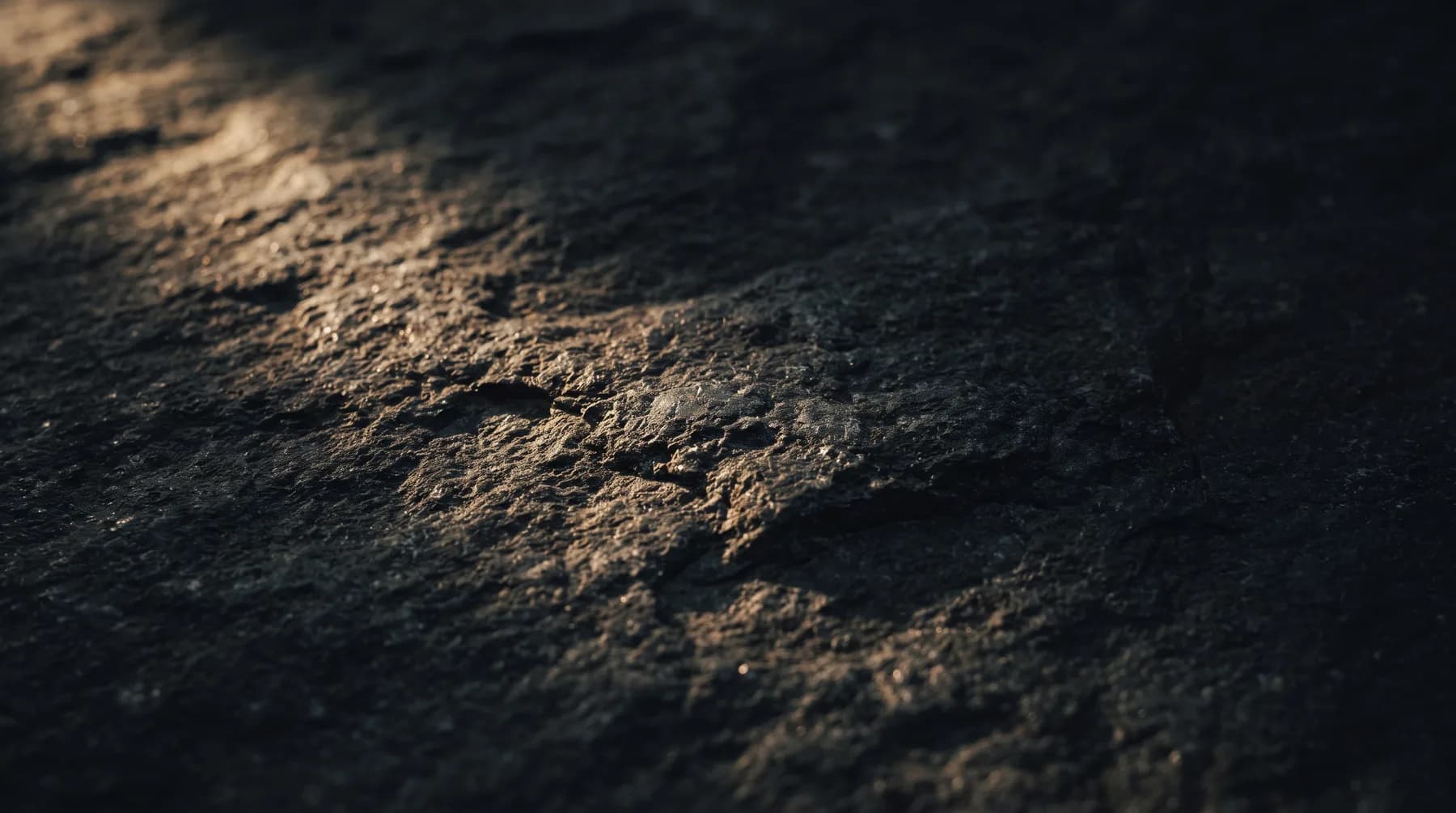
Travertine is the ideal limestone for terraces, pool surrounds and façades in Marrakech: its surface stays cool under the sun, its beige tone suits the local architecture, and its porosity — properly sealed — gives excellent barefoot grip. Correctly laid on a decoupled screed with expansion joints, it lasts for decades despite the day/night temperature swings.
- Nature
- Sedimentary limestone
- Best uses
- Terraces, pool surrounds, façades, hammams
- Finishes
- Honed, tumbled, filled or unfilled
- Marrakech climate
- Excellent — stays cool, low expansion
- Maintenance
- Re-seal every 2–3 years outdoors
Why travertine suits the Marrakech climate
Marrakech places two demands on any outdoor surface: intense summer heat and a wide day-to-night temperature swing. Travertine answers both better than most materials. Its mass and pale colour limit heat build-up: a travertine pool surround stays walkable barefoot when dark tile becomes scorching. Its thermal expansion is low and even, which reduces the risk of seasonal cracking — provided the installation includes expansion joints.
Choosing the right finish
Honed: smooth, matte surface, elegant for an interior or a sheltered terrace. Tumbled: softened edges and a weathered texture, naturally non-slip — our recommendation for pool surrounds and coping. Filled or unfilled: unfilled travertine keeps its natural cavities (more authentic, but traps dust and water outdoors); filled is easier to maintain. For a pool, we recommend tumbled, filled travertine, then sealed.
Correct installation
Travertine is laid with full back-buttering onto a sound, flat screed checked with a laser level. Outdoors, the surface must be decoupled from the substrate and include perimeter and intermediate expansion joints — without them, the slab moves and cracks. Around a pool, the basin is tiled first, then the coping — never the other way round. Coping is cut with a slight overhang and a drip edge to keep water off the wall.
Common mistakes to avoid
Laying travertine on a screed that is still damp; skipping expansion joints outdoors; using unfilled travertine on a pool surround; neglecting the sealer, which lets the limestone absorb chlorine and stains. Each of these shows within a single season.
No — in a tumbled finish it is naturally non-slip, even wet, which is one reason it is the first choice for pool surrounds in Marrakech.